Mouth Breathing, Late Sleeping & Summer Routine Changes: How Holidays Quietly Affect Your Oral Health
Summer holidays are usually associated with slower mornings, late-night movies, vacations, mangoes, ice creams, and a much-needed break from routine. But while your schedule relaxes, your oral health often takes a silent hit.
Dentists notice a pattern during vacations. There are more cavities, dry mouth cases, bad breath complaints, bleeding gums, and even jaw discomfort in both children and adults. Surprisingly, it is not always because of sweets alone.
Small routine changes like sleeping late, mouth breathing due to air conditioning, dehydration, irregular brushing habits, and endless snacking can quietly create the perfect environment for dental problems. The good news is that most of these issues are completely preventable once you know what to look for.
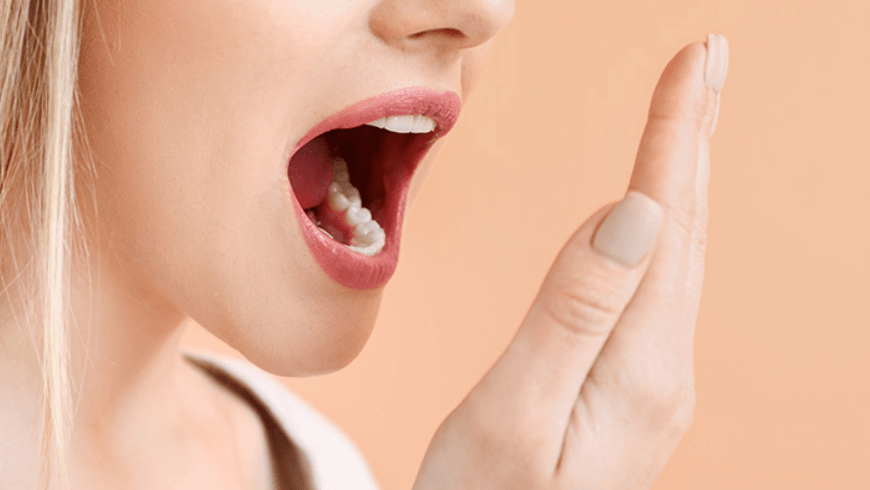
1. Mouth Breathing: The Silent Summer Problem
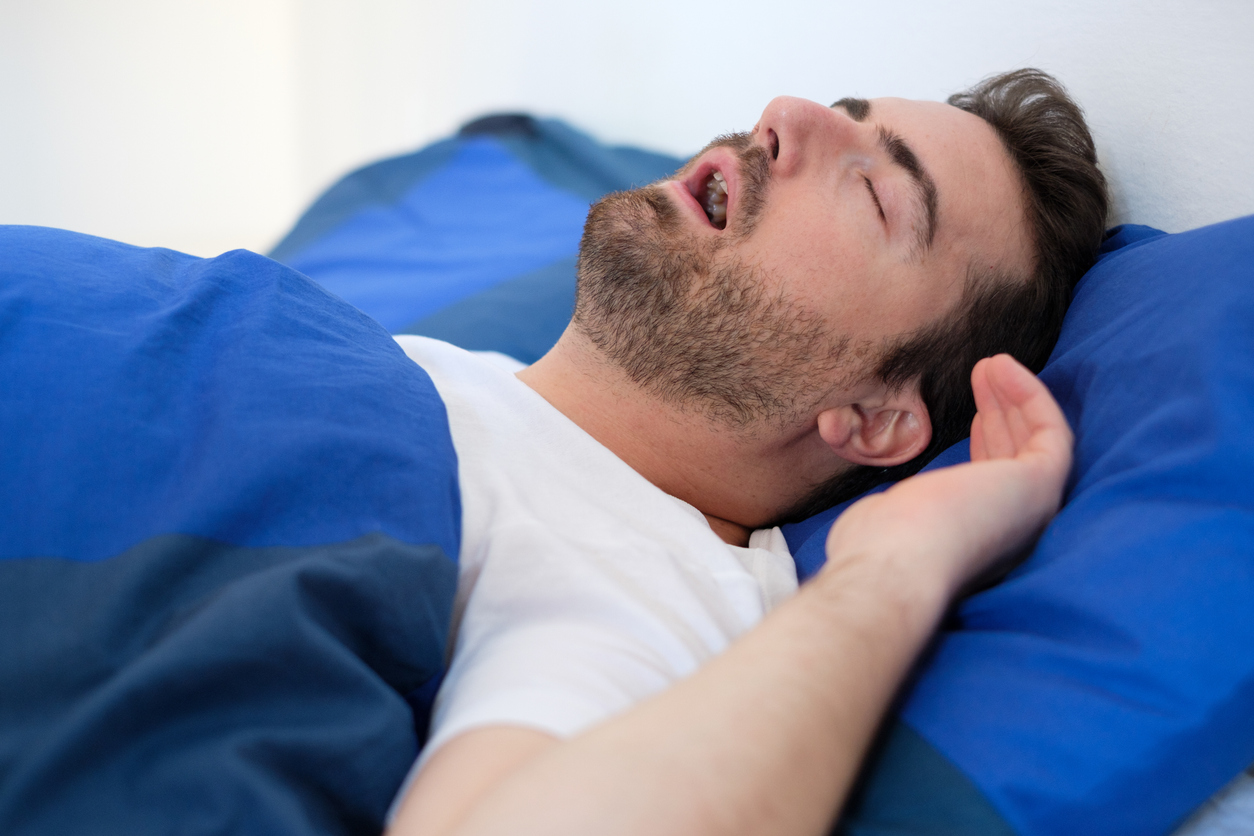
Summer often means air conditioners running all night, allergies, sinus congestion, or sleeping in awkward positions after long tiring days. All of this can increase mouth breathing, especially during sleep.
Many people do not even realize they are doing it.
Signs You Might Be Mouth Breathing
- Waking up with a dry mouth. Your mouth may feel sticky or uncomfortable first thing in the morning.
- Bad breath in the morning. Reduced saliva allows bacteria to build up overnight.
- Cracked lips. Constant airflow through the mouth dries out the lips quickly.
- Sticky or thick saliva. This is often one of the earliest signs of dehydration inside the mouth.
- Sore throat after waking up. Mouth breathing can dry and irritate the throat tissues overnight.
- Increased cavities despite brushing properly. A dry mouth creates the perfect environment for bacteria to thrive.
- Gums feeling irritated or inflamed. Saliva normally protects the gums, so dryness can make them more sensitive.
Saliva is your mouth’s natural defense system. It neutralizes acids, washes away bacteria, and protects teeth from decay. When you breathe through your mouth for long hours, saliva dries up, allowing bacteria to multiply faster. In children, chronic mouth breathing can even affect facial growth, jaw development, sleep quality, and concentration.
How to Fix It
- Stay hydrated throughout the day. Frequent water intake helps maintain healthy saliva flow.
- Reduce excessive AC exposure directly on the face. Continuous dry air can worsen mouth dryness.
- Treat allergies or nasal blockage early. Nasal congestion is one of the most common reasons people begin mouth breathing.
- Use saline nasal rinses if advised by your doctor. This can help reduce congestion naturally.
- Avoid sleeping completely flat if congestion is frequent. Slight elevation may improve airflow.
- Consider a dental or ENT evaluation if mouth breathing is persistent. Sometimes the issue may be related to enlarged tonsils, airway problems, or a deviated septum.
2. Late Sleeping Can Mean Poorer Oral Habits
Holiday mode often pushes bedtime later and later. One episode becomes three, dinner shifts to midnight, and brushing suddenly feels optional.
Unfortunately, your teeth do not get a holiday.
Late nights usually come with more snacking, sugary drinks, skipped brushing, and reduced saliva production during sleep. When food particles sit on teeth overnight, bacteria feed on them for hours. This produces acids that weaken enamel and irritate the gums.
Signs Your Routine Is Affecting Your Mouth
- Morning bad breath getting worse. This often indicates increased bacterial buildup overnight.
- Teeth feeling fuzzy or coated. Plaque accumulates more easily when brushing routines become irregular.
- Sensitivity. Acid attacks on enamel can make teeth more reactive to hot or cold foods.
- Bleeding while brushing. Inflamed gums are often one of the first warning signs.
- White patches near the gums. These may indicate early enamel weakening or plaque buildup.
- Increased plaque accumulation overall. Irregular brushing allows deposits to harden more quickly.
What Helps
- Brush before you get too sleepy. Waiting till midnight often leads to skipped brushing entirely.
- Keep floss or interdental brushes nearby. Convenience makes consistency easier.
- Rinse after late-night snacks. Even a quick rinse can reduce acid exposure.
- Avoid sleeping immediately after acidic foods or soft drinks. Your teeth need time to recover.
- Keep nighttime snacks limited and less sticky. Sticky foods cling to teeth much longer.
Even a simple water rinse after snacking can make a noticeable difference.
3. Summer Snacking & Constant Grazing
During holidays, eating patterns become unpredictable. People tend to snack more frequently instead of eating proper meals.
The issue is not just how much sugar you eat. It is how often your teeth are exposed to it. Every snack triggers an acid attack on the enamel. If you keep grazing throughout the day, your teeth barely get time to recover.
Sneaky Summer Culprits
- Mango shakes. They may seem healthy, but frequent sipping exposes teeth to sugar for longer periods.
- Sports drinks. Many contain hidden sugars and acids that weaken enamel.
- Ice candies. These combine sugar exposure with prolonged contact against teeth.
- Packaged juices. Even fruit-based drinks can be surprisingly acidic.
- Sticky dried fruits. They cling to teeth and stay trapped in grooves for longer.
- Flavored yogurt. Some varieties contain more sugar than expected.
- Chips and processed snacks. Starches break down into sugars and can stick between teeth.
Even healthy smoothies can become problematic if they are sipped slowly over long periods.
Smarter Alternatives
- Eat fruits whole instead of juicing them. Whole fruits contain fiber and are less damaging than frequent juice exposure.
- Drink water after snacks. This helps wash away food debris and acids.
- Choose cheese, nuts, or plain yogurt occasionally. These are generally friendlier to teeth.
- Avoid constantly sipping sugary beverages. The longer the exposure, the greater the damage.
- Use a straw for acidic drinks when possible. This reduces direct contact with teeth.
One important point many people miss is that brushing immediately after acidic foods is not ideal. Wait about 30 minutes before brushing to protect softened enamel.
4. Dehydration & Dry Mouth During Summer
Many people underestimate how dehydrated they become during summer, especially while traveling. Dehydration reduces saliva flow, which increases the risk of cavities, mouth ulcers, gum inflammation, bad breath, and even a burning sensation inside the mouth.
Quick Signs of Dry Mouth
- Thick saliva. Saliva may feel unusually sticky or stringy.
- Constant thirst. Feeling thirsty all day is often a major clue.
- Difficulty swallowing dry foods. Dryness makes chewing and swallowing uncomfortable.
- Tongue sticking to the palate. This usually happens when saliva production drops significantly.
- Dry lips despite using lip balm. External dryness often reflects internal dehydration too.
Easy Fixes
- Increase plain water intake. Small, consistent sips throughout the day work best.
- Reduce excessive caffeine and alcohol. Both can contribute to dehydration.
- Include water-rich fruits in your diet. Fruits like watermelon and cucumber can help hydration.
- Chew sugar-free gum if appropriate. This can stimulate saliva production.
- Avoid very salty packaged snacks repeatedly. Salt increases dryness and thirst.
5. Travel Habits That Harm Teeth
Vacations also disrupt dental hygiene in unexpected ways. People forget toothbrushes, skip flossing, snack during long drives, or rely heavily on sugary convenience foods. Children often brush poorly during holidays because routines become more relaxed.
Travel Dental Tips
- Carry a small oral care pouch. Keeping essentials nearby makes it easier to stay consistent.
- Keep sugar-free gum for long journeys. It can help stimulate saliva when brushing is not possible.
- Rinse after acidic drinks. This helps reduce acid exposure quickly.
- Do not ignore tooth pain while traveling. Small issues can worsen rapidly during vacations.
- Replace toothbrushes after beach trips if they remain damp for long periods. Moist brushes can harbour bacteria.
The Bigger Picture: Routine Matters More Than Perfection
Oral health is deeply connected to daily habits. Summer holidays are not bad for your teeth, but sudden routine changes can quietly create conditions where problems develop faster. The key is balance, not restriction.
Enjoy the mangoes.
Stay up for the movie night.
Take the vacation.
Just do not let your mouth pay the price for the memories. A little awareness, hydration, and consistency can keep your smile healthy long after the holidays end.