Can Summer Dehydration Cause Bad Breath? Absolutely and here’s why.
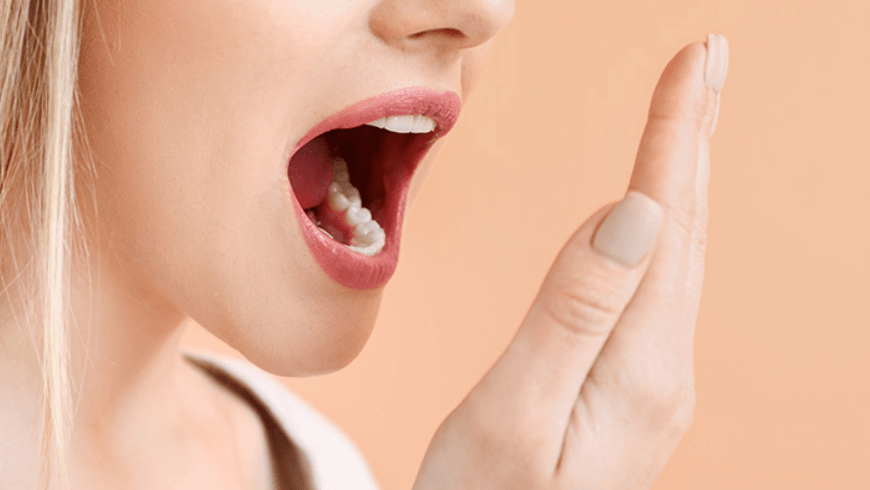
Summer brings sunshine, vacations, mangoes, iced coffees, and unfortunately for many people, bad breath or halitosis. While most people blame food or poor brushing habits, one of the most overlooked causes of mouth odour during hot weather is simple dehydration.
Your mouth depends heavily on saliva to stay healthy. And when your body is dehydrated, your mouth is often one of the first places to show it.
Why Does Dehydration Affect Your Breath?
Saliva is far more important than most people realize. It is your mouth’s natural cleaning system. Healthy saliva flow helps:
- Wash away food particles
- Neutralize acids
- Control harmful bacteria
- Keep oral tissues moist and healthy
- Protect teeth from decay
- Reduce unpleasant odour
During summer, excessive sweating, heat exposure, inadequate water intake, caffeine, alcohol, and even long hours in air-conditioned environments can reduce the amount of saliva your body produces.
This condition is commonly called dry mouth or xerostomia, in technical terms.
When saliva levels drop, bacteria in the mouth multiply more easily. This is because there is no buffering and washing activity of the saliva present. These bacteria break down food debris and release sulphur compounds, the same compounds responsible for unpleasant mouth odour.
That “morning breath” feeling? Dehydration can create a similar effect throughout the entire day.
The Chain Reaction of a Dry Mouth
Dry mouth is not just uncomfortable. It can set off a series of oral health problems if ignored.
1. Persistent Bad Breath
Without enough saliva to naturally cleanse the mouth, odour-causing bacteria thrive on the tongue, gums, and between teeth. This is one of the most common reasons people notice stronger breath odour during summer.
2. Increased Risk of Cavities
Saliva contains minerals that help protect and repair tooth enamel. Reduced salivary flow means acids from food and bacteria remain on teeth for longer periods.
This creates the perfect environment for:
- Tooth decay
- Enamel erosion
- Sensitivity
- Faster cavity formation
People who frequently experience dry mouth often notice a sudden increase in cavities despite maintaining their regular brushing routine.
3. Sticky Feeling and Difficulty Speaking
Many dehydrated individuals complain of:
- Sticky saliva
- Dry lips
- Difficulty swallowing
- A burning sensation in the mouth
- Cracked corners of the lips
These are all signs your mouth is not getting enough hydration. Older people have a tendency to experience a decrease in salivary flow and are most susceptible to dry mouth related dental caries.
4. Gum Problems
Healthy saliva helps maintain balance in the mouth. When saliva decreases, harmful bacteria can irritate the gums more easily, leading to inflammation, bleeding, and eventually gum disease.
Who Is More Likely to Experience Summer Dry Mouth?
You may be at higher risk if you:
- Spend long hours outdoors
- Exercise heavily
- Drink excessive tea, coffee, or alcohol
- Smoke
- Breathe through your mouth
- Take certain medications
- Frequently consume sugary summer drinks
- Skip regular water intake
Even people who are otherwise healthy can experience temporary dehydration-related mouth odour during peak summer months. Therefore it become imperative to take some simple measures to avoid this persistent issue.
Simple Hydration Tips for Fresher Breath
The good news is that preventing dehydration-related bad breath is usually simple. Most people only notice saliva when there’s too much of it. But healthy salivary flow quietly protects your mouth every single day. It strengthens enamel, maintains Ph balance, prevents bacterial overgrowth, helps digestion begin in the mouth and keeps your mouth comfortable and fresh.
Think of saliva as your mouth’s built-in defence system. When dehydration reduces this protective mechanism, problems like bad breath, cavities, gum irritation, and discomfort can appear surprisingly quickly.
1. Drink Water Consistently
Don’t wait until you feel thirsty. Sip water regularly throughout the day, especially if you are outdoors or physically active.
2. Reduce Sugary and Acidic Drinks
Soft drinks, packaged juices, and energy drinks can worsen dehydration and feed odour-causing bacteria.
3. Limit Excessive Caffeine
Coffee and tea in moderation are fine, but excessive intake can contribute to dryness.
4. Eat Water-Rich Foods
Fruits like watermelon, cucumber, oranges, and muskmelon help improve hydration naturally.
5. Chew Sugar-Free Gum
Chewing stimulates saliva production and can temporarily help relieve dry mouth.
6. Clean Your Tongue
A large amount of odour-causing bacteria sits on the tongue surface. Tongue cleaning can make a noticeable difference.
7. Avoid Constant Mouth Breathing
Mouth breathing dries out oral tissues quickly, especially during sleep.
If you notice stronger mouth odour during summer despite brushing regularly, dehydration could be the hidden reason. Sometimes, the solution is not another mouthwash, it’s simply better hydration and improved saliva flow.